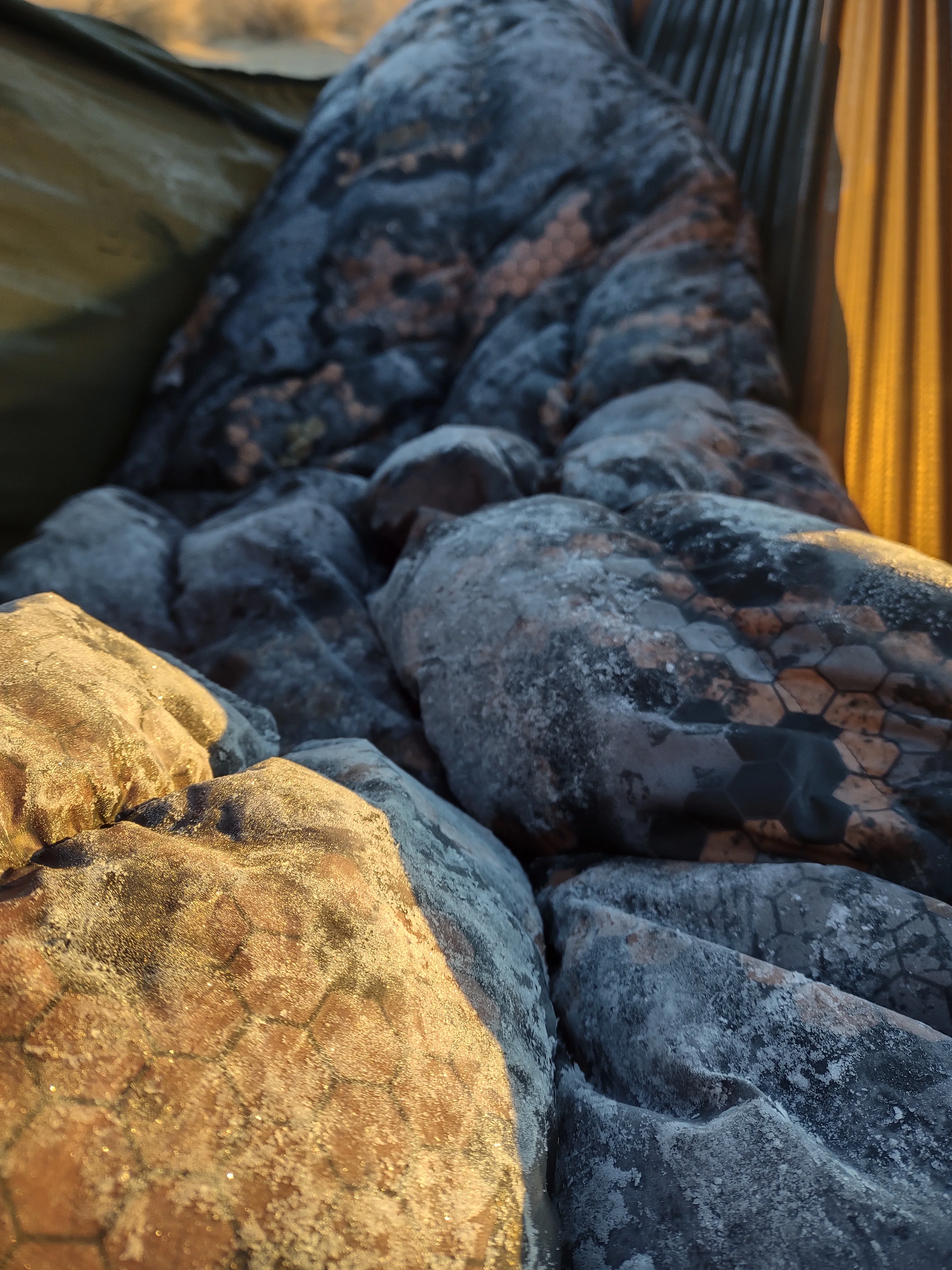
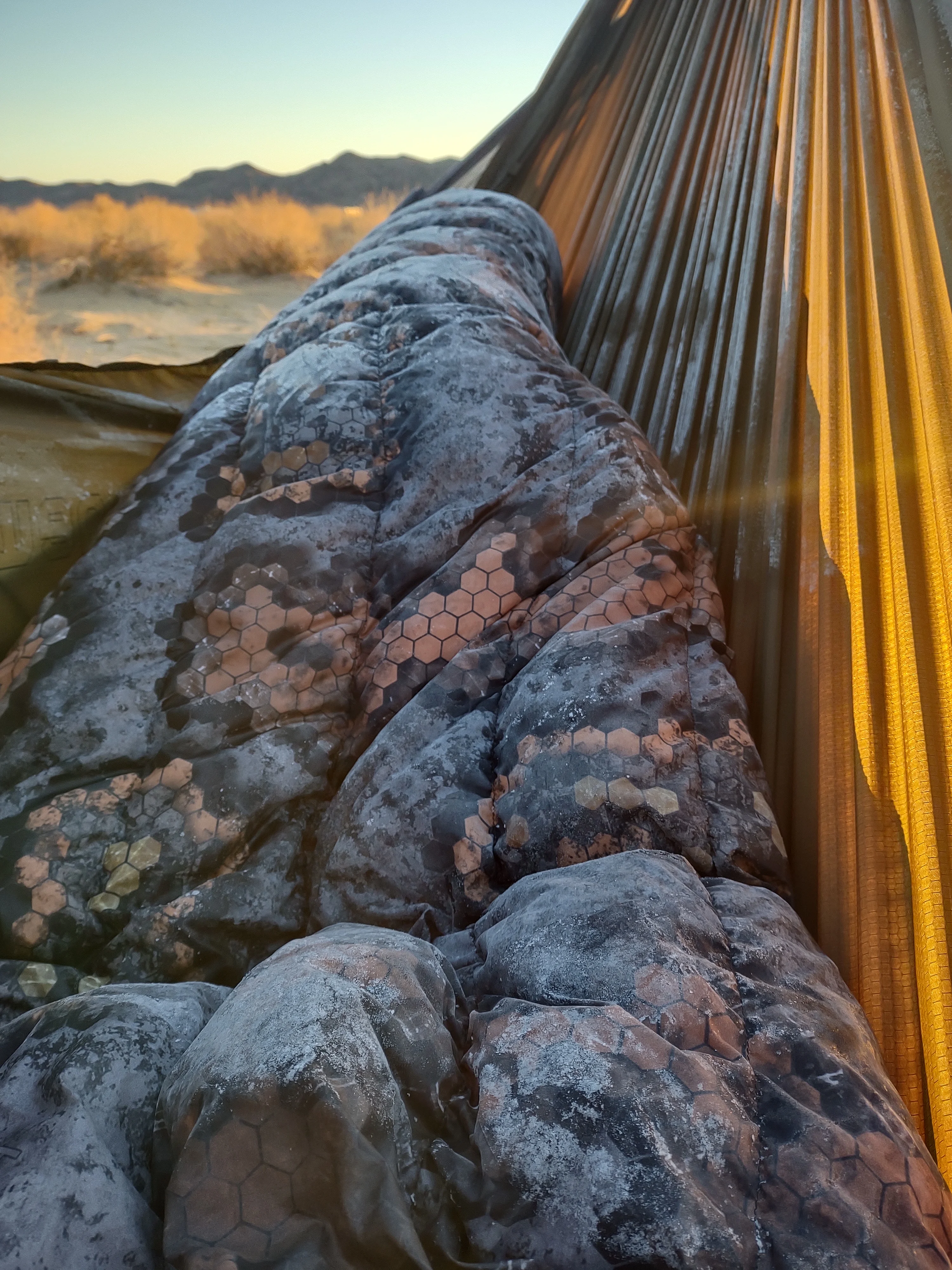
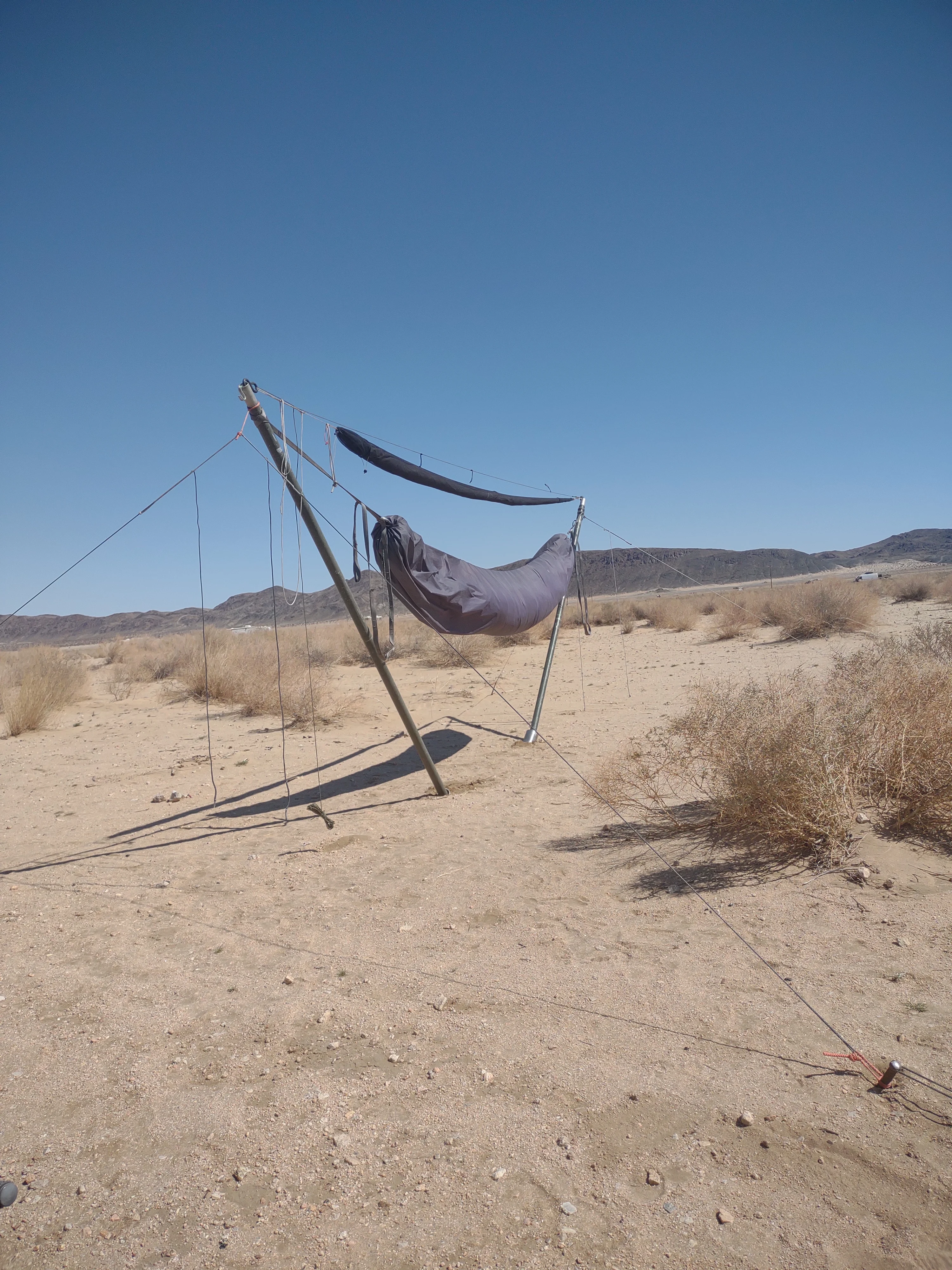
There are more things that fall from the sky besides rain. Just look at some parked cars. You did mention the forest as a sun, and I assume moon, shield. What about a falling pine cone? The deal is, you can imagine the ideal setup, but a lot of gear falls in the "just in case" category. Some people proudly claim, "You carry your fears." For me, I'd counter with, "You carry your experiences."
There are all kinds of "schools". I am not in the "ultralite" school. I like a big tarp - but made out of silpoly, not canvas - so the hammock is covered and I have a dry area outside the hammock. But, if I knew with a high probability that there would be no rain, I'd carry one of the smaller tarps, like a WarBonnet MiniFly.
The best way to evolve is to go out, preferably solo, on short-distance outings - so you can retreat to the car if something completely unforeseen happens. My mind harkens back to the time it snowed !!! around the 4th of July in the Strawberry Mountains (Oregon).
I mention solo excursions because you suffer your mistakes (learning experiences) privately. And you may be more willing to try iffy things (like leaving the tarp and/or bugnet at home) that you might not when concerned for a 2nd party.
If you have a place at home, or a nearby park, where you can set up your hammock, you can practice and find the rhythm that works for you. Find out how high above the ground you like your hammock, how much sag (that allows you to turn a bit diagonal, leveling out the lie), what kind of suspension you prefer, etc.
Also - yes, I could go on and on

- you can find out what temperature ratings work for you. For example, say a top quilt is rated at 40°. I would switch from my warmer gear to that once the nighttime temps were in the 50s or high 40s. I prefer a 10° cushion in the gear rating over the expected temps.
You could use your camping sleeping bag (open like a top quilt), but you'll need some form of insulation under you.
These are things it's best to learn when you are not hiked in 10 miles from your car.